The Hidden Danger of “Well-Meaning” Words
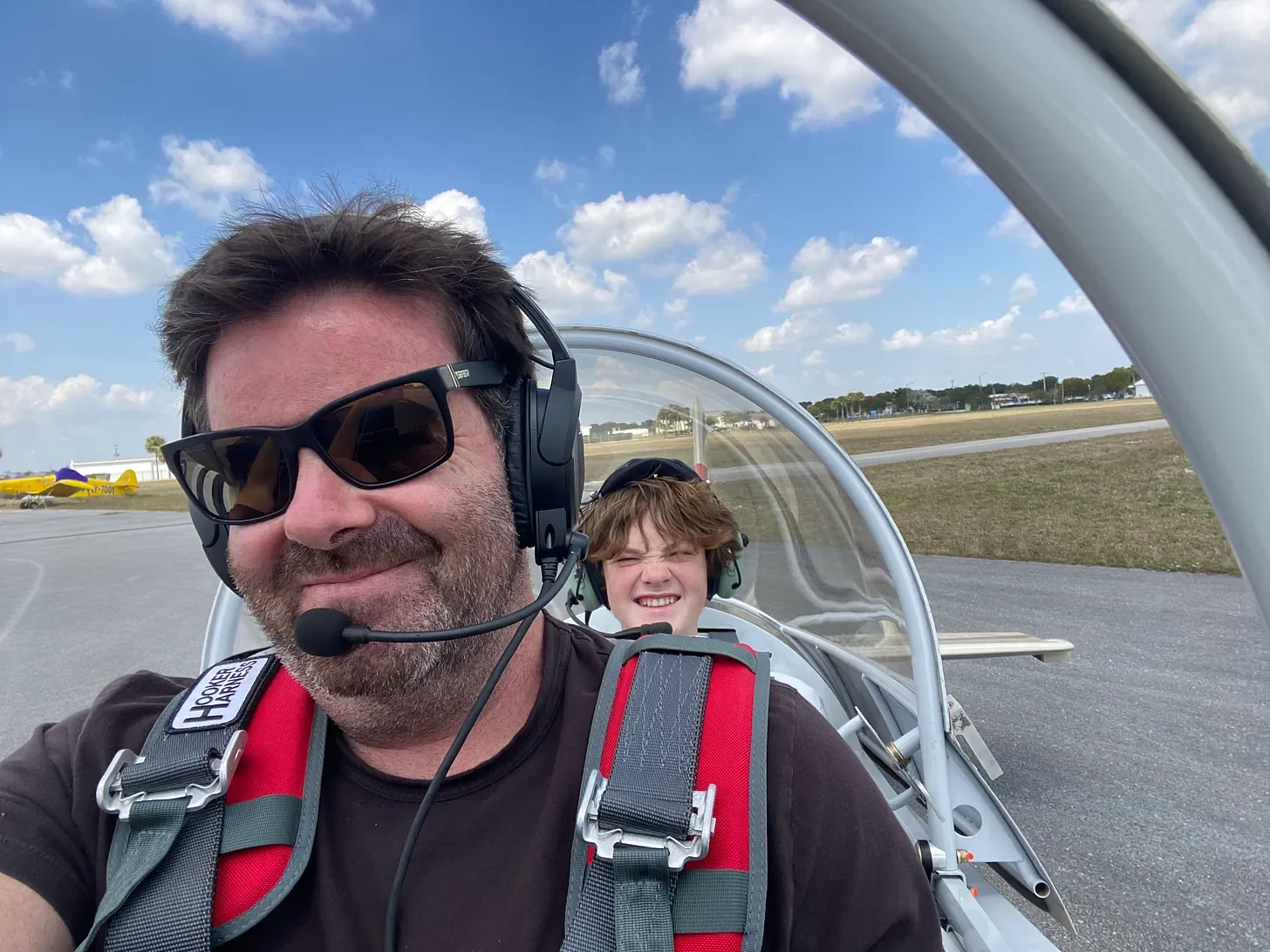
(Photo: My youngest son and I in my RV8)
Sometimes the biggest hits kids take don’t come from bullies. They come from the adults who mean well.
A coach yells, “Don’t miss!” right before the foul shot.
A teacher says, “You’re just not good at math.”
A parent sighs, “You’re not built for sports.” (This was said to an Olympic Gold Medalist I know).
None of it is meant to wound. But kids hear it as the truth. And those little moments stick. They shape the way a child sees themselves long after the game, the class, or the season ends.
Here’s the problem: the human brain doesn’t register “don’t.” It locks onto the command.
Tell a kid, “Don’t miss,” and their mind hears one thing: miss. Negative framing creates a negative focus.
The same goes for labeling. Say, “You’re not good at math,” and you’ve planted a story. The kid might carry it for years, proving you right every time they freeze up at a problem.
How many times have we heard adults say things like, “I’m a clutz” or “I’m not good with numbers”.
They’ve built their own mental cage.
We can’t wrap our kids in bubble wrap, and we can’t police every word that comes their way. What we can do is teach them to defend against language that doesn’t serve them—even when it comes from a coach, a teacher, or even us.
That’s a core idea in my upcoming book Puddle Jumpers (Spring 2026): helping kids build the resilience to question labels, reframe mistakes, and see setbacks as steps—not verdicts.
Instead of internalizing “don’t miss,” they learn to hear, “Focus. Trust yourself. Go for it.”
Instead of “You’re bad at this,” they learn, “You’re still learning this.”
Words matter. And the earlier we teach our kids to learn to filter and defend against them, the stronger, braver, and freer they’ll be.
Brandon
